
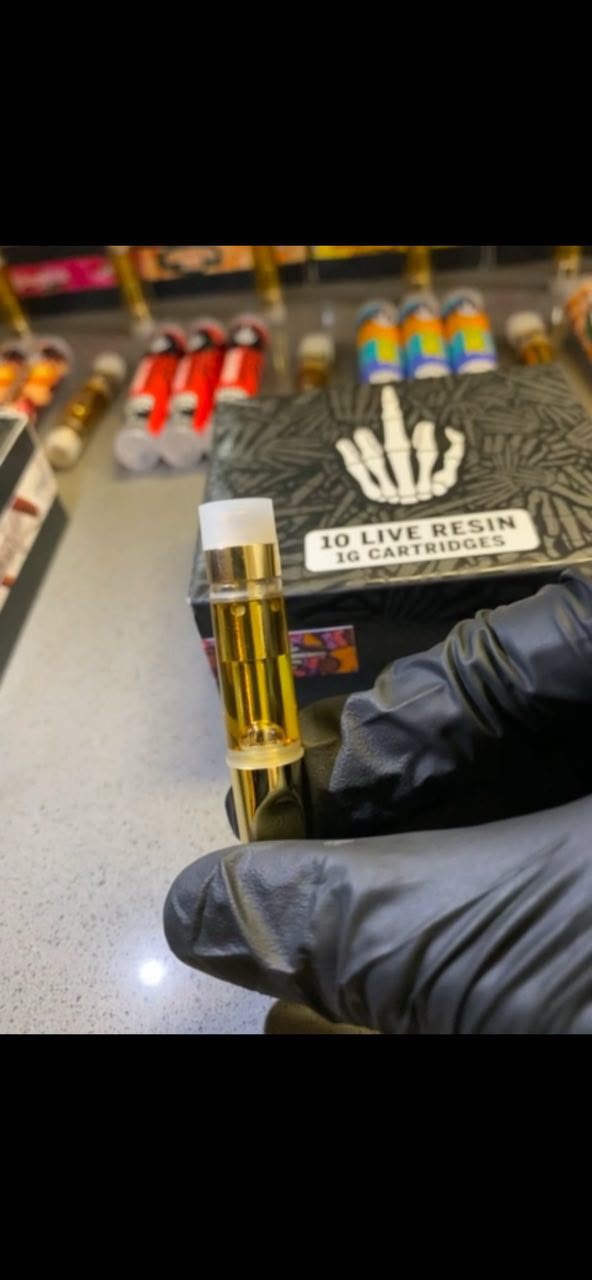
FU 510 Cartridges

Price range: $10.00 through $600.00
FU 510 Cartridges are designed for compatibility with standard 510-thread vape batteries and devices. Featuring a compact design and convenient 510 threading, these cartridges offer a practical solution for reliable, easy-to-use vaping setups. Ideal for businesses and customers looking for quality 510 vape cartridges with a universal fit.
FU 510 Cartridges – Reliable 510-Thread Vape Cartridge Solution
Discover FU 510 Cartridges, a practical choice for users looking for dependable, easy-to-use cartridges compatible with standard 510-thread vape batteries. Designed around the widely used 510 connection, these cartridges provide convenient compatibility with a variety of compatible vape devices.
The FU 510 cartridge features a compact and functional design that makes it suitable for everyday use. Its standard 510 threading allows for straightforward attachment to compatible batteries, making setup simple and convenient. Whether you are looking for replacement cartridges or building a compatible vaping setup, FU 510 Cartridges provide a versatile option.
Key Features
- Standard 510-thread compatibility
- Compact and convenient cartridge design
- Easy attachment to compatible 510 batteries
- Suitable for replacement and compatible vape setups
- Practical option for personal and commercial use
- Designed for convenient handling and everyday use
If you are searching for FU 510 Cartridges, 510 vape cartridges, 510-thread cartridges, replacement vape cartridges, or compatible 510 cartridges, FU 510 offers a straightforward solution for compatible vaping hardware.
Order FU 510 Cartridges today and choose a convenient cartridge option designed around the popular universal 510-thread connection.
Uses of FU 510 Cartridges
FU 510 Cartridges are designed as 510-threaded cartridge hardware for compatible vape batteries and atomizer devices. Their primary function is to hold a compatible liquid or oil formulation and deliver it to the heating element, where it is converted into an inhalable aerosol.
Common uses include:
- 510-thread vape devices: Designed for use with compatible 510-thread batteries.
- Oil and concentrate delivery: Depending on the cartridge specification, they can be designed for compatible oil or concentrate formulations.
- Portable vaping systems: Their compact format makes them suitable for portable vape devices.
- Replacement cartridge hardware: Empty cartridges can serve as replacement components for compatible systems.
- OEM and private-label products: 510 cartridge hardware is commonly used by manufacturers and brands developing customized vape products.
The exact compatible formulation, capacity, voltage range, and intended application should always be confirmed against the manufacturer’s technical specifications.
Properties of FU 510 Cartridges
FU 510 Cartridges are characterized by their standardized connection format and compact cartridge construction. Depending on the specific model, construction can incorporate materials such as glass or polymer for the reservoir, ceramic or metal components for the heating system, and metal contacts for the battery connection.
Key Properties
1. 510-Thread Compatibility
The 510 connection is a widely used interface for compatible vape batteries and devices, providing straightforward attachment and interchangeability.
2. Compact Construction
The cartridge format is designed to provide a relatively small and portable liquid or oil reservoir while incorporating the heating assembly and mouthpiece.
3. Controlled Heating
The heating element converts electrical energy from the compatible battery into heat. Ceramic heating elements are commonly used because their porous structure can support liquid transfer to the heated area and provide relatively even heating.
4. Material Compatibility
Cartridge materials need to be selected according to the formulation being used. Common construction materials include glass or polymer reservoirs, ceramic heating components, metal electrical contacts, and elastomeric seals.
5. Thermal Stability
Ceramic components can provide good thermal stability and resistance to deformation at elevated temperatures, depending on the ceramic composition and manufacturing quality.
6. Sealed Fluid Path
Properly assembled cartridges use seals and fitted components to help minimize leakage and maintain separation between the liquid reservoir and external components.
7. Portable Design
The small form factor makes 510 cartridges suitable for compact, battery-powered vaping devices.
Manufacturing Process of FU 510 Cartridges
The manufacturing process for a 510 cartridge generally involves material preparation, component production, heating-element assembly, cartridge assembly, quality control, and packaging. Exact production methods vary according to the cartridge design and manufacturer.
1. Material Selection
The manufacturing process begins with the selection and inspection of raw materials. Depending on the design, these can include glass or polymer reservoir components, ceramic heating elements, metal electrical contacts, seals, mouthpieces, and 510-threaded bases. Manufacturers typically perform incoming material quality checks before production.
2. Component Manufacturing
Individual cartridge components are produced according to the required dimensions and tolerances. Metal parts may be machined or formed, while glass or polymer reservoir components are manufactured using suitable forming processes. Ceramic components are shaped and processed to achieve the required porosity, strength, and dimensional accuracy.
3. Ceramic Heating-Element Processing
For ceramic cartridge designs, ceramic material is formed into the required heating-core geometry and subjected to controlled thermal processing or sintering. Some manufacturers use high-temperature sintering to produce the desired ceramic structure and mechanical properties.
4. Heating Assembly
The heating element is integrated with the electrical connection system. The assembly must provide reliable electrical contact while positioning the heating surface correctly relative to the cartridge reservoir.
5. Cartridge Assembly
The reservoir, heating assembly, seals, mouthpiece, and 510-threaded base are assembled into the finished cartridge. Automated or semi-automated equipment may be used to improve consistency and reduce assembly errors.
6. Sealing and Leak Inspection
After assembly, cartridges are inspected to verify that the reservoir and seals are properly fitted. Manufacturers may perform leak, airflow, dimensional, and visual inspections to identify defective units.
7. Electrical and Functional Testing
Finished cartridges can undergo electrical continuity and resistance checks to verify that the heating assembly and battery contacts function correctly. Additional functional testing may evaluate airflow and heating performance.
8. Quality Control
Quality-control inspections typically cover dimensions, threading, appearance, component alignment, electrical characteristics, sealing, and overall assembly quality. Manufacturing quality systems may also include sampling and batch traceability.
9. Cleaning and Packaging
Approved cartridges are cleaned as required by the manufacturing specification, inspected for contamination or visible defects, and packaged in suitable protective packaging. Empty hardware should remain free from unintended contamination before filling or further processing.
10. Final Inspection
A final quality inspection confirms that the finished FU 510 cartridges meet the manufacturer’s specifications before shipment. Depending on the application and market, additional material or product testing may be required.
Manufacturing Summary
Raw Material Inspection → Component Manufacturing → Ceramic/Heating Element Processing → Assembly → Sealing → Electrical & Functional Testing → Quality Control → Cleaning → Packaging → Final Inspection
This controlled manufacturing sequence helps ensure consistent dimensions, reliable 510-thread connections, appropriate heating performance, and overall cartridge quality.
How to Use FU 510 Cartridges
FU 510 Cartridges are designed to be used with a compatible 510-thread battery. The cartridge itself does not normally contain a power source, so a compatible battery is required to heat the cartridge.
Step 1: Charge the Battery
Before using the cartridge, make sure the compatible 510 battery has sufficient charge. Follow the charging instructions supplied with your battery and use the recommended charger.
Step 2: Prepare the Cartridge
Remove the cartridge from its packaging and take off any protective caps or seals. Check the cartridge for visible damage or leakage before attaching it to the battery.
Step 3: Attach the Cartridge
Gently screw the FU 510 Cartridge clockwise onto the 510-thread battery until it is securely connected. Do not overtighten, as excessive force can damage the connection or cartridge.
Step 4: Activate the Battery
Depending on the battery, activation may occur automatically when you inhale, or the device may require you to press and hold a power button while inhaling. Some button-operated 510 batteries use a series of rapid clicks to turn the device on or off. Always follow the instructions for your specific battery.
Step 5: Inhale Through the Mouthpiece
Place the mouthpiece between your lips and take a gentle draw while the heating element is activated. Avoid excessively long or forceful draws, which can contribute to overheating or poor cartridge performance.
Step 6: Allow the Cartridge to Rest
Give the cartridge a short interval between draws so the heating element can cool and the liquid can properly replenish the heating area.
Step 7: Turn Off and Store Properly
If your battery has a power button, turn it off according to the manufacturer’s instructions when finished. Store the cartridge and battery in a cool, dry place away from excessive heat, direct sunlight, water, and children or pets.
Important Safety Information
Use FU 510 Cartridges only with a compatible 510-thread battery and according to the product’s specifications. Do not use a damaged, leaking, or malfunctioning cartridge. Do not modify the cartridge or battery, and do not use incompatible charging equipment.
If the cartridge contains a regulated substance such as nicotine or cannabis-derived material, use it only where legally permitted and according to the applicable product labeling and local regulations. Do not drive or operate machinery while impaired.
For best results: use the cartridge with the recommended compatible battery, avoid overtightening, keep the connection clean and dry, and follow the manufacturer’s specified operating settings.
| quantity | 15 pack mixed, 25 pack mixed, 50 pack mixed, 100 pack mixed |
|---|
Be the first to review “FU 510 Cartridges”
Related products


disposable vapes
disposable vapes

disposable vapes
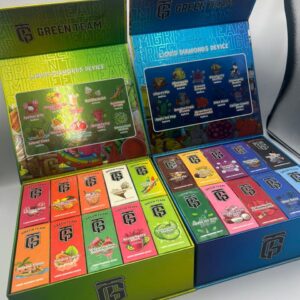
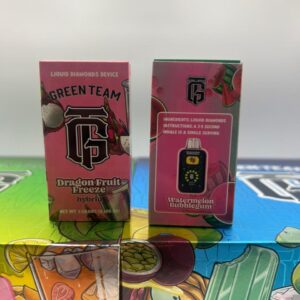
disposable vapes

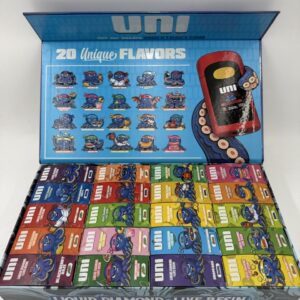
disposable vapes
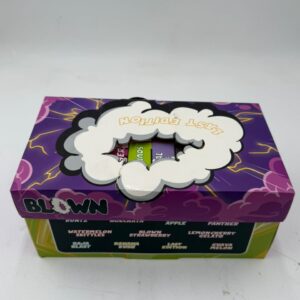
disposable vapes

disposable vapes
disposable vapes
Reviews
There are no reviews yet.