
Uncategorized
CASA DE FUEGO Concentrate
CASA DE FUEGO Concentrate: Exploring Premium Live Rosin, Terpenes, and Solventless Cannabis Extraction
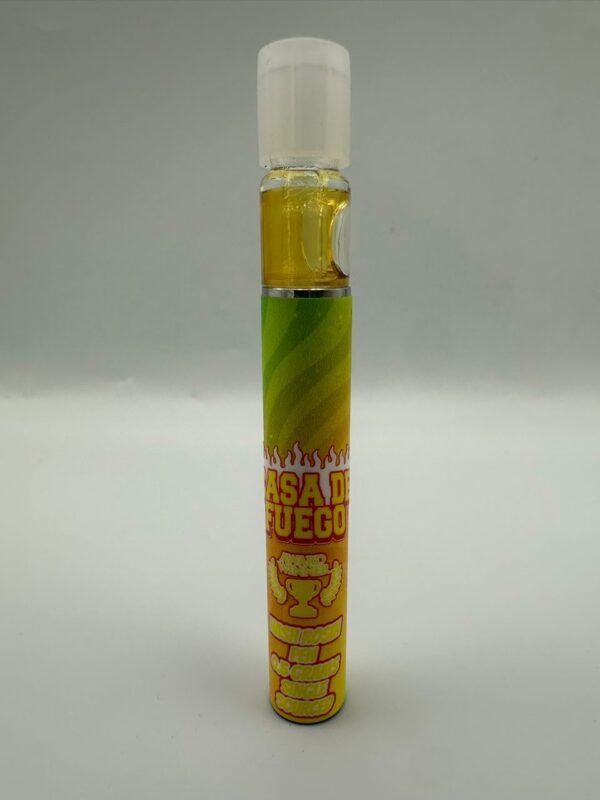
Introduction to CASA DE FUEGO Concentrate
The cannabis concentrate market features a wide range of extracts designed for adult consumers who appreciate the distinctive characteristics of cannabis. Among these products, CASA DE FUEGO Concentrate stands out as a product name associated with a premium concentrate experience. For consumers interested in live rosin, understanding solventless extraction, terpene preservation, cannabinoid content, and product quality can help them make more informed purchasing decisions.
Live rosin is particularly notable because it is produced without chemical extraction solvents. Instead, manufacturers use mechanical separation and pressure-based extraction methods to collect resin-rich compounds from cannabis material. These methods aim to retain important characteristics of the source plant, including its natural aromatic profile.
This guide explores CASA DE FUEGO Concentrate, the general characteristics of live rosin, how solventless extracts are made, and what consumers should know about concentrate quality.
What Is CASA DE FUEGO Concentrate?
CASA DE FUEGO Concentrate is a product name associated with cannabis concentrates. If the specific product is labeled as live rosin, it belongs to a category of solventless extracts valued for their aromatic qualities and concentrated cannabinoid content.
Cannabis concentrates contain resin-derived compounds from the plant, including cannabinoids and terpenes. These compounds contribute to the product’s chemical composition, aroma, and flavor.
The exact characteristics of CASA DE FUEGO depend on its formulation, source cultivar, manufacturing methods, and batch specifications. Consumers should consult the official packaging and laboratory reports to confirm whether a particular product is live rosin and to verify its cannabinoid content and other product details.
Understanding Live Rosin
Live rosin is a solventless cannabis extract generally made using fresh-frozen cannabis. Freezing the plant material soon after harvest helps preserve delicate volatile compounds that can otherwise change or dissipate during handling and processing.
Unlike some other concentrates, live rosin is produced using mechanical techniques rather than extraction solvents such as butane or ethanol. The objective is to separate resin-rich material while maintaining desirable characteristics of the original cannabis.
Several characteristics distinguish live rosin from other cannabis extracts:
- Solventless production: Mechanical separation and pressing are used instead of chemical-solvent extraction.
- Aromatic complexity: Naturally occurring terpenes may contribute a distinctive scent and flavor profile.
- Cannabinoid concentration: Cannabinoids may be present in concentrated amounts, although potency varies by batch.
- Variable consistency: Depending on processing and storage, the finished product may have a creamy, soft, sticky, or resinous texture.
- Cultivar-specific characteristics: The source plant can influence the extract’s aroma, flavor, and chemical profile.
These characteristics help explain why live rosin is a distinct category within the broader cannabis concentrate market.
The Importance of Terpenes in Cannabis Concentrates
Terpenes are naturally occurring aromatic compounds found in many plants, including cannabis. They contribute to the scents and flavors associated with different cultivars and extracts.
Some commonly discussed cannabis terpenes include:
Myrcene: Found in various aromatic plants, myrcene is often associated with earthy, herbal, and musky notes.
Limonene: This terpene is commonly associated with citrus-like aromas.
Beta-caryophyllene: Known for spicy, peppery, and woody aromatic characteristics, beta-caryophyllene is also found in black pepper and other plants.
Pinene: Associated with pine-like aromas, pinene occurs naturally in several coniferous and other plant species.
Linalool: This terpene is associated with floral and lavender-like aromas.
Not every live rosin product contains the same terpenes or concentrations. A laboratory report is the best way to determine the measured terpene composition of a specific batch.
Although terpenes influence aroma and flavor, their presence should not be treated as proof that a concentrate has particular medical benefits or produces a predictable effect.
How Is Live Rosin Manufactured?
Live rosin production generally involves several stages designed to separate resin-rich material and preserve its desirable characteristics.
1. Selecting Cannabis Material
Manufacturers begin by selecting suitable cannabis material. Cultivar characteristics, harvest timing, freshness, and handling can influence the chemical composition and quality of the eventual extract.
2. Rapid Freezing
Freshly harvested cannabis is rapidly frozen to help retain volatile aromatic compounds. This stage is important because live rosin is associated with preserving characteristics of fresh cannabis rather than relying solely on dried plant material.
3. Resin Separation
In many live rosin production methods, frozen plant material undergoes ice-water separation. This process helps detach resin-rich trichomes from the plant material.
4. Collection and Drying
The separated trichomes are collected and carefully dried under controlled conditions. Proper handling can help reduce contamination and protect the quality of the starting material.
5. Mechanical Pressing
The prepared resin-rich material is processed using specialized equipment that applies controlled heat and mechanical pressure. This separates the resinous extract without using chemical extraction solvents.
6. Quality Assessment
The resulting rosin may be assessed for appearance, texture, aroma, cannabinoid potency, and other quality indicators. Appropriate laboratory testing can help identify contaminants and confirm measured cannabinoid concentrations.
7. Packaging and Storage
The finished concentrate is placed in suitable packaging intended to protect it from excessive heat, light, air, and other factors that may affect its quality.
These steps describe a general live rosin production process. They do not establish the exact manufacturing methods used for CASA DE FUEGO products; those details should be confirmed by the manufacturer.
CASA DE FUEGO Concentrate and Product Quality
When evaluating a cannabis concentrate, the brand name alone does not establish its purity, potency, or quality. Consumers can make more informed comparisons by checking several product details.
Cannabinoid Potency
The label should identify the measured cannabinoid content where required by local regulations. THC concentration is particularly relevant because higher-potency products can cause more intense impairment and adverse effects.
Terpene Information
A terpene analysis may provide information about the compounds responsible for a product’s aroma and flavor. The presence and concentration of individual terpenes can vary significantly between batches.
Independent Laboratory Testing
A current certificate of analysis from a qualified laboratory can provide information about cannabinoid concentrations and tested contaminants. Depending on the applicable testing standards, this may include pesticides, residual solvents where relevant, heavy metals, and microbial contaminants.
Packaging and Traceability
Reliable packaging should provide the product identity, batch or lot information, relevant warnings, and legally required details. Clear traceability helps consumers distinguish documented product information from unverified marketing claims.
Storage Conditions
Heat, light, air, and inappropriate handling can affect the quality of cannabis concentrates. Following the manufacturer’s storage instructions can help maintain product characteristics.
How Does Live Rosin Compare With Other Concentrates?
Cannabis concentrates are made using different production techniques, and the resulting products can differ in texture, aroma, composition, and processing requirements.
| Concentrate type | General characteristics |
|---|---|
| Live rosin | Solventless extract typically made from fresh-frozen cannabis |
| Live resin | Commonly made from fresh-frozen cannabis using a solvent-based extraction process |
| Wax | A broad concentrate category that may have a soft or opaque texture |
| Shatter | Often characterized by a hard, glass-like consistency |
| Hash | A resin-rich cannabis product that may be produced using mechanical separation and other methods |
These categories are not interchangeable. Processing techniques and starting materials can vary, so consumers should examine the specific product label rather than assume that every concentrate in a category has identical characteristics.
Responsible Use and Safety Considerations
Cannabis concentrates can contain high levels of THC. Their effects may be stronger than those associated with lower-potency cannabis products, and individual responses can vary.
Adults who legally choose to use cannabis should review the product label, understand the risks of high-potency products, and avoid combining cannabis with alcohol or other intoxicating substances. Do not drive or operate machinery while impaired.
Cannabis use can cause anxiety, dizziness, impaired attention, and problems with coordination or memory. People who are pregnant or breastfeeding should avoid cannabis. Anyone with concerns about medication interactions or existing health conditions should consult a qualified healthcare professional.
Keep all cannabis concentrates securely stored away from children and pets, and comply with applicable local laws.
Frequently Asked Questions About CASA DE FUEGO Concentrate
What is CASA DE FUEGO Live Rosin?
CASA DE FUEGO Live Rosin refers to a product identified with the CASA DE FUEGO name and described as live rosin. The precise formulation and specifications should be confirmed using official product information.
Is live rosin solventless?
Yes. Live rosin is generally produced through mechanical separation and pressing without chemical extraction solvents.
What gives live rosin its aroma?
Its aroma comes partly from naturally occurring terpenes and other volatile compounds retained from the cannabis material. The exact profile depends on the cultivar, processing, and storage.
Does every live rosin product have the same potency?
No. Cannabinoid concentrations vary by product and batch. Check the product label and laboratory analysis for measured potency.
How should live rosin be stored?
Follow the manufacturer’s instructions and use the recommended sealed container and storage conditions. Protecting the product from excessive heat, light, and air can help preserve its quality.
Is CASA DE FUEGO Concentrate lab-tested?
That cannot be confirmed without product-specific documentation. Look for a current certificate of analysis from a qualified laboratory and verify that it corresponds to the product’s batch or lot number.
Final Thoughts on CASA DE FUEGO Concentrate
CASA DE FUEGO Concentrate is a relevant search term for consumers exploring cannabis extracts and live rosin products. Live rosin is distinguished by its solventless production method and its potential to preserve the natural aromatic characteristics of cannabis.
Understanding the extraction process, terpene composition, cannabinoid potency, and laboratory testing can help consumers evaluate concentrates more carefully. For the most reliable information about CASA DE FUEGO, consult official product labeling and batch-specific laboratory reports rather than relying on unverified claims about ingredients, potency, or effects.
SEO keywords: CASA DE FUEGO concentrate, CASA DE FUEGO Live Rosin, live rosin concentrate, solventless cannabis extract, premium cannabis concentrate, cannabis terpenes, live rosin manufacturing process, cannabis concentrate quality, fresh-frozen cannabis, solventless extraction.
Meta description: Discover CASA DE FUEGO Concentrate and learn about live rosin, solventless extraction, terpene profiles, manufacturing methods, and cannabis concentrate quality.
